Piano Chords Chart
Keyboard diagrams and correctly spelled note names for 108 piano chords, grouped by chord type in all 12 keys.
Major chords

C
C major
C E G

C#
C# major
C# E# G#

D
D major
D F# A

Eb
Eb major
Eb G Bb

E
E major
E G# B

F
F major
F A C

F#
F# major
F# A# C#

G
G major
G B D

Ab
Ab major
Ab C Eb

A
A major
A C# E
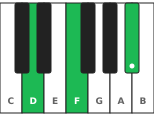
Bb
Bb major
Bb D F

B
B major
B D# F#
Minor chords

Cm
C minor
C Eb G

C#m
C# minor
C# E G#

Dm
D minor
D F A

Ebm
Eb minor
Eb Gb Bb

Em
E minor
E G B

Fm
F minor
F Ab C

F#m
F# minor
F# A C#

Gm
G minor
G Bb D

G#m
G# minor
G# B D#

Am
A minor
A C E
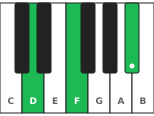
Bbm
Bb minor
Bb Db F

Bm
B minor
B D F#
Dominant seventh chords

C7
C dominant seventh
C E G Bb

C#7
C# dominant seventh
C# E# G# B

D7
D dominant seventh
D F# A C
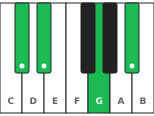
Eb7
Eb dominant seventh
Eb G Bb Db

E7
E dominant seventh
E G# B D

F7
F dominant seventh
F A C Eb

F#7
F# dominant seventh
F# A# C# E
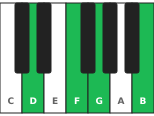
G7
G dominant seventh
G B D F
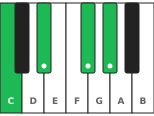
Ab7
Ab dominant seventh
Ab C Eb Gb

A7
A dominant seventh
A C# E G
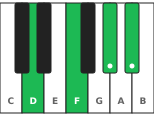
Bb7
Bb dominant seventh
Bb D F Ab

B7
B dominant seventh
B D# F# A
Major seventh chords

Cmaj7
C major seventh
C E G B

C#maj7
C# major seventh
C# E# G# B#

Dmaj7
D major seventh
D F# A C#
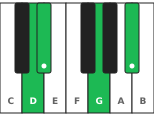
Ebmaj7
Eb major seventh
Eb G Bb D

Emaj7
E major seventh
E G# B D#

Fmaj7
F major seventh
F A C E

F#maj7
F# major seventh
F# A# C# E#

Gmaj7
G major seventh
G B D F#
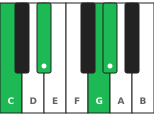
Abmaj7
Ab major seventh
Ab C Eb G

Amaj7
A major seventh
A C# E G#
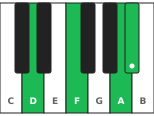
Bbmaj7
Bb major seventh
Bb D F A

Bmaj7
B major seventh
B D# F# A#
Minor seventh chords
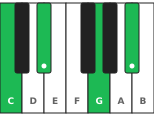
Cm7
C minor seventh
C Eb G Bb
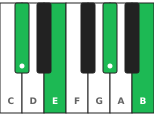
C#m7
C# minor seventh
C# E G# B
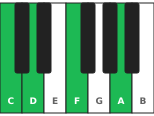
Dm7
D minor seventh
D F A C
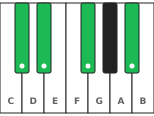
Ebm7
Eb minor seventh
Eb Gb Bb Db
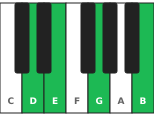
Em7
E minor seventh
E G B D
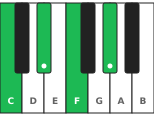
Fm7
F minor seventh
F Ab C Eb
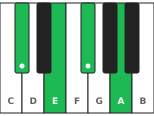
F#m7
F# minor seventh
F# A C# E
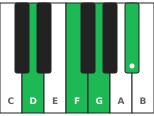
Gm7
G minor seventh
G Bb D F
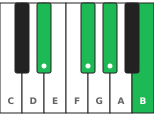
G#m7
G# minor seventh
G# B D# F#
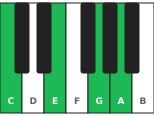
Am7
A minor seventh
A C E G
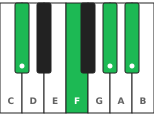
Bbm7
Bb minor seventh
Bb Db F Ab
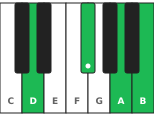
Bm7
B minor seventh
B D F# A
Suspended second chords
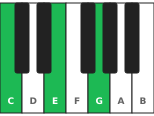
Csus2
C suspended second
C D G
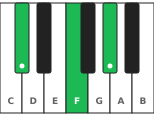
C#sus2
C# suspended second
C# D# G#
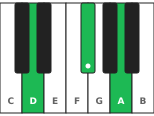
Dsus2
D suspended second
D E A
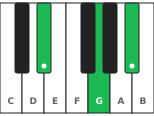
Ebsus2
Eb suspended second
Eb F Bb
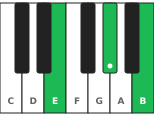
Esus2
E suspended second
E F# B
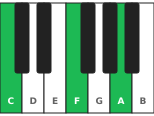
Fsus2
F suspended second
F G C
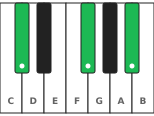
F#sus2
F# suspended second
F# G# C#
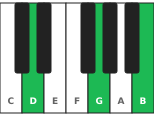
Gsus2
G suspended second
G A D
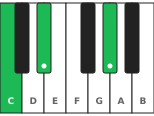
Absus2
Ab suspended second
Ab Bb Eb
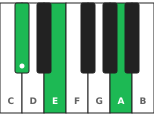
Asus2
A suspended second
A B E
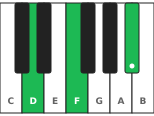
Bbsus2
Bb suspended second
Bb C F
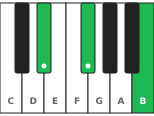
Bsus2
B suspended second
B C# F#
Suspended fourth chords
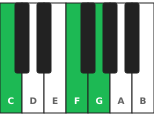
Csus4
C suspended fourth
C F G

C#sus4
C# suspended fourth
C# F# G#

Dsus4
D suspended fourth
D G A
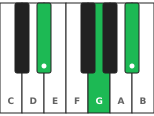
Ebsus4
Eb suspended fourth
Eb Ab Bb

Esus4
E suspended fourth
E A B

Fsus4
F suspended fourth
F Bb C
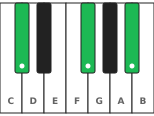
F#sus4
F# suspended fourth
F# B C#

Gsus4
G suspended fourth
G C D
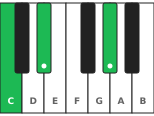
Absus4
Ab suspended fourth
Ab Db Eb
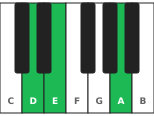
Asus4
A suspended fourth
A D E
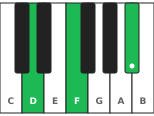
Bbsus4
Bb suspended fourth
Bb Eb F

Bsus4
B suspended fourth
B E F#
Diminished chords
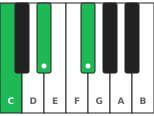
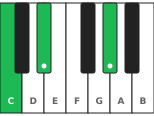
Cdim
C diminished
C Eb Gb
C#dim
C# diminished
C# E G

Ddim
D diminished
D F Ab
D#dim
D# diminished
D# F# A

Edim
E diminished
E G Bb

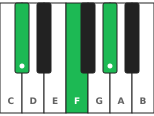
Fdim
F diminished
F Ab Cb

F#dim
F# diminished
F# A C

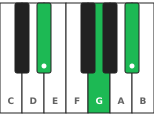
Gdim
G diminished
G Bb Db
G#dim
G# diminished
G# B D
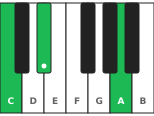
Adim
A diminished
A C Eb
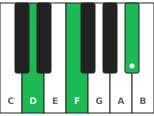
A#dim
A# diminished
A# C# E

Bdim
B diminished
B D F
Augmented chords

Caug
C augmented
C E G#
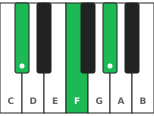
Dbaug
Db augmented
Db F A
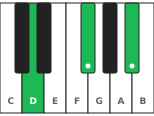
Daug
D augmented
D F# A#
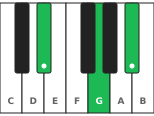
Ebaug
Eb augmented
Eb G B
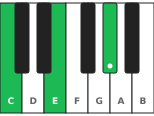
Eaug
E augmented
E G# B#

Faug
F augmented
F A C#
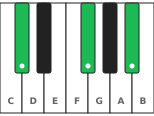
Gbaug
Gb augmented
Gb Bb D
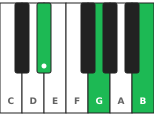
Gaug
G augmented
G B D#
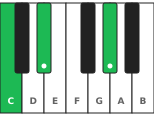
Abaug
Ab augmented
Ab C E
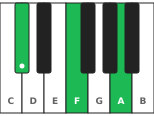
Aaug
A augmented
A C# E#
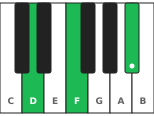
Bbaug
Bb augmented
Bb D F#
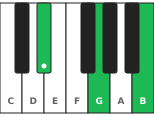
Baug
B augmented
B D# F##
How to use this piano chord chart
Choose a chord type, such as major or minor seventh, and then the root. Each card shows a short keyboard with the chord tones highlighted and the root marked, plus the note names spelled for that key, so Bb major reads Bb D F rather than A# D F. Play the notes from the bottom up in root position first, then try the inversions described below to move between chords with less hand movement. Open a chord to see its tones with their intervals, the keys it belongs to and the matching guitar and ukulele diagrams.
Learning Piano Chords and Theory
Understanding Chord Construction
Building chords relies on specific interval patterns. A major triad consists of the root, a major third (4 semitones), and a perfect fifth (7 semitones). A minor triad uses a minor third (3 semitones) and a perfect fifth. Seventh chords expand on these foundations. A dominant 7 chord adds a minor seventh (10 semitones) to the major triad, while a maj7 chord includes a major seventh (11 semitones). Understanding these intervals allows you to construct any chord by counting semitones upward from your chosen root note.
Variations and Alterations
Beyond basic triads, sus2 and sus4 chords replace the third with a major second or a perfect fourth. These chords feel unstable and often resolve back to major or minor triads. Diminished chords consist of the root, a minor third, and a diminished fifth (6 semitones). Augmented chords use the root, a major third, and an augmented fifth (8 semitones). These variants provide harmonic color for different musical contexts and help create tension.
Piano Fingering Fundamentals
Correct fingering improves efficiency and speed. For root position triads, the right hand typically uses a 1-3-5 fingering pattern, where 1 is the thumb and 5 is the little finger. The left hand uses a 5-3-1 pattern. When moving between chords, consider using inversions. By rearranging the notes of a chord so the third or fifth is at the bottom, you create smoother voice leading. This technique reduces the distance your hand must travel during common progressions.
Practical Accompaniment Techniques
A standard accompaniment style involves playing the root or root and fifth in the left hand while the right hand plays the full triad. This arrangement provides a solid bass foundation and a clear harmonic structure. Applying this to a common progression, such as the I-V-vi-IV in the key of C, creates a balanced sound. Try practicing these movements slowly to ensure each note speaks clearly before increasing your tempo.
Enharmonic Equivalents
Music theory distinguishes notes based on their scale function, even if they share the same piano key. For example, C# and Db are enharmonic, meaning they are the same physical key. The chord chart displays notes spelled correctly according to their harmonic function, such as labeling Bb major as Bb, D, and F rather than using A#. Recognizing these relationships helps in reading sheet music and understanding key signatures across different musical styles.
Effective Practice Habits
Consistent practice improves muscle memory. Use a metronome to keep your chord changes steady and even. When you are ready, play your chosen chords along with a song in the browser player to practice keeping time with recorded music. Focus on smooth transitions between chords, as this is more important for musical flow than raw speed during the initial learning stages.
Common Questions About Piano Chords
How many chords are available in the chart?
The chart includes 108 chords in total. This set covers 12 different root notes, each featuring nine chord types: major, minor, 7, maj7, m7, sus2, sus4, diminished, and augmented.
What is the difference between a major and a minor chord?
The main difference is the third interval. A major triad contains a major third (4 semitones) above the root. A minor triad uses a minor third (3 semitones). The fifth remains the same perfect interval in both types.
Can I use this chart for instruments other than piano?
Yes. Each of the 108 chords links to a dedicated page that provides specific diagrams for guitar, ukulele, and piano. You can switch between these views to see how the chords are played on different instruments.
Which piano chords should a beginner learn first?
Start with the white-key major and minor triads C, F, G, Am, Dm and Em. They cover the common progression C G Am F and many simple songs. Then add G7 and the seventh chords, and later the black-key chords such as Bb, Eb and F#.